Christmas Candy Cane Bows PNG: Selecting Quality Graphics for Holiday Projects
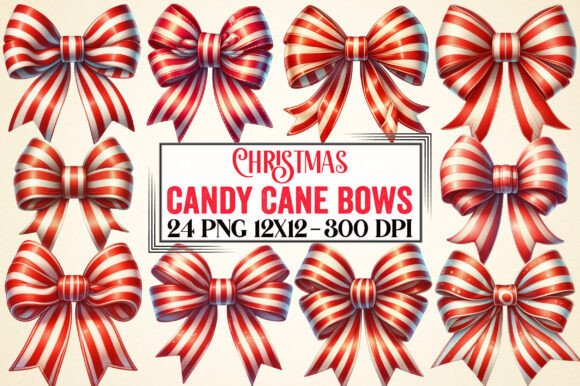
The search for the perfect festive asset often leads designers, crafters, and small business owners to a specific digital staple: the Christmas candy cane bows PNG. This graphic element has become a cornerstone of holiday design because it combines two universally recognized symbols of the season into a single, versatile clipart piece. Whether you are creating custom t-shirt transfers for a family reunion, designing product packaging for an Etsy shop, or building social media templates for a marketing campaign, these pre-made graphics offer a shortcut to professional-looking seasonal aesthetics. However, the abundance of available options can be deceptive. Not all transparent background files are created equal, and assuming that every download will yield print-ready or web-optimized results is a common pitfall that leads to wasted time and subpar final products.
Understanding Resolution and Print Viability
The most frequent error encountered when working with Christmas candy cane bows PNG files is confusing screen resolution with print resolution. Many free or low-cost marketplaces display images that look crisp on a monitor but appear pixelated or blurry when transferred to physical media. A standard web image is typically 72 DPI (dots per inch), which is perfectly adequate for Instagram posts or website banners. However, if your intention is to use these bows for sublimation printing, vinyl cutting, or commercial merchandise, 72 DPI is insufficient. You generally need a minimum of 300 DPI at the actual size you intend to print.
When evaluating a file before purchase or download, do not rely solely on the thumbnail preview. Sellers often upscale low-resolution images to make them appear larger in listings without adding actual detail. Always check the technical specifications for pixel dimensions. For example, a high-quality bow intended for a full-front shirt design should ideally be at least 4500 pixels wide. If you stretch a 1000-pixel image to fit a garment, the edges will soften, and the internal shading will block out, resulting in a muddy transfer. Investing in vector-based sources or high-DPI raster files initially prevents the disappointment of ruined materials later.
The Transparency Trap: Checking Alpha Channels
The primary reason creators seek out PNG format over JPEG is the alpha channel, which allows for transparency. Yet, many users fail to verify the quality of this transparency before integrating the graphic into their workflow. A poorly processed Christmas candy cane bows PNG may have a white box around it, jagged edges, or a gray halo that becomes visible when placed against colored backgrounds. This usually happens when an image is converted from JPEG to PNG using automated tools rather than being manually masked by a designer.
This issue is particularly problematic for dark-colored projects. If you are placing a red and white candy cane bow onto a navy blue sweatshirt, any residual white pixels around the perimeter will stand out starkly. Before committing to a design layout, place the PNG over a solid black or bright red layer in your editing software. Zoom in to 200% and inspect the edges. Clean, professional cutouts should have smooth transitions and no stray artifacts. If you notice fringing, you may need to spend extra time refining the mask or, better yet, source a higher-quality file where the creator has taken care to preserve edge integrity.
Licensing Clarity for Commercial and Personal Use
Beyond technical specs, licensing remains the most overlooked aspect of acquiring digital assets. There is a significant difference between owning a file and owning the right to profit from it. Many beautiful Christmas candy cane bows PNG collections are licensed strictly for personal use. Using such a file on a product you sell, even in small quantities, constitutes copyright infringement. Conversely, some "commercial" licenses still require attribution or prohibit the use of the graphic as a standalone element on merchandise like stickers or iron-ons.
To avoid legal complications and ethical missteps, read the license agreement thoroughly before downloading. Look for specific terms regarding "end products," "print-on-demand," and "digital redistribution." If you are a freelancer designing for a client, ensure the license covers their intended use, not just yours. Some designers offer tiered licensing, where a basic fee covers personal crafts while an extended fee covers mass production. Paying the appropriate license fee upfront is far more cost-effective than facing a cease-and-desist letter or having a listing removed from a marketplace due to IP violations.
Style Consistency and Design Cohesion
Aesthetic mismatch is a subtle but damaging mistake in holiday design. Candy cane bows come in myriad artistic styles: watercolor, flat vector, 3D render, vintage engraving, and cartoonish doodle. Mixing these styles within a single project creates visual dissonance that makes the work feel amateurish. For instance, pairing a realistic, shaded watercolor bow with bold, minimalist sans-serif typography can look disjointed. Similarly, combining a glossy 3D-rendered bow with a rustic kraft paper background creates conflicting texture cues.
Before assembling your design board, define the visual language of your project. If you are aiming for farmhouse chic, seek out matte, textured, or hand-drawn interpretations of the Christmas candy cane bows PNG. If your brand identity is modern and sleek, opt for clean vectors with solid colors and sharp lines. Create a mood board first and test multiple assets together before finalizing your choice. Consistency builds trust and professionalism, whereas haphazard styling suggests a lack of attention to detail. Remember that the bow should support the overall message, not compete with it.
File Organization and Future Usability
Efficiency in creative work often comes down to how well you manage your assets. Downloading dozens of zip files named "christmas_graphics_pack_01" and leaving them in a generic downloads folder guarantees future frustration. When you need that specific peppermint bow next year, you will waste hours searching through unorganized archives. Furthermore, failing to keep original source files limits your ability to edit or recolor elements later.
Establish a systematic naming convention and folder structure immediately upon acquisition. Rename files descriptively, such as "CandyCaneBow_RedWatercolor_300DPI_Commercial.png." Store them in categorized directories like "Holiday Assets > Bows > Candy Cane." If possible, retain layered PSD or AI files alongside the flattened PNGs. Having access to layers allows you to adjust colors to match a specific Pantone swatch or remove shadows for different background applications. Treating your digital library with the same organization as physical inventory saves time and maximizes the return on investment for every asset you acquire.
Evaluating Source Credibility and Quality Control
Finally, consider where you are obtaining your graphics. While general stock sites offer volume, niche design marketplaces often provide higher specialization and better quality control for seasonal items. When browsing for a Christmas candy cane bows PNG, review the seller’s portfolio holistically. Do their other works demonstrate consistent skill? Are there reviews mentioning accurate descriptions and clean files? Avoid sellers whose portfolios show drastic variations in quality, as this often indicates aggregated content scraped from various sources rather than original work.
Engaging with reputable creators ensures you receive technically sound files and clear licensing terms. It also supports the design ecosystem, encouraging the continued creation of high-quality resources. By approaching your selection process with a critical eye toward resolution, transparency, licensing, style, and organization, you transform a simple graphic search into a strategic step toward better, more professional holiday creations. The goal is not just to find a pretty picture, but to secure a reliable tool that enhances your work without introducing unnecessary friction or risk.