Evaluating Butterfly with Flowers SVG vs. Standalone Butterfly SVG for Creative Projects
Selecting the appropriate digital asset for crafting, apparel design, or digital art requires understanding the functional and aesthetic differences between file types. When searching for nature-inspired graphics, creators often encounter two distinct categories: the comprehensive Butterfly with Flowers SVG and the singular Butterfly SVG. While both serve as vector-based resources compatible with cutting machines and design software, they fulfill different roles in a production workflow. Understanding these distinctions is essential for makers who need to balance visual impact with technical constraints like weeding difficulty, material usage, and design flexibility.
Defining the Assets: Composition vs. Component
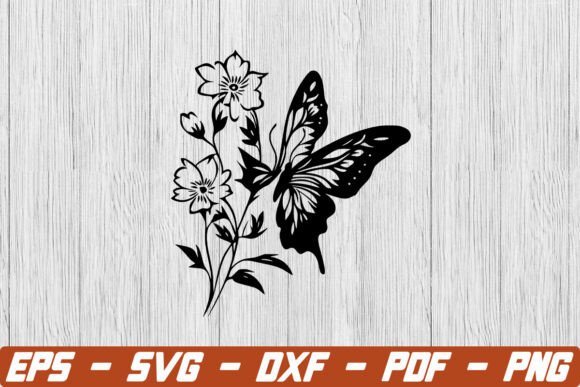
The primary difference lies in composition and intended utility. A Butterfly with Flowers SVG is typically a pre-composed scene. In this format, the insect and the botanical elements are arranged together, often with overlapping layers, integrated color palettes, and a balanced negative space. These files are designed as "ready-to-cut" solutions where the relationship between the subject and its environment has already been established by the artist. They are ideal for users who want a complete focal point without spending time on layout or color theory.
Conversely, a standalone Butterfly SVG functions as a modular component. It isolates the lepidopteran subject, removing environmental context to maximize versatility. This isolation allows the designer to scale, rotate, recolor, or pair the butterfly with entirely different backgrounds, text, or geometric shapes. While the Butterfly with Flowers SVG offers convenience and artistic cohesion, the standalone version offers adaptability. For professional designers or advanced hobbyists building custom branding or unique merchandise, the standalone option often provides the necessary creative freedom that a pre-set composition cannot.
Technical Considerations: Weeding, Layers, and Cut Complexity
For users of vinyl cutters and laser engravers, the technical attributes of an SVG are just as important as its visual appeal. The complexity of a Butterfly with Flowers SVG can present specific challenges. Because floral elements often involve intricate petals, stamens, and leaves, these designs frequently contain higher node counts and smaller internal cut lines. When working with adhesive vinyl, this increases the "weeding" time—the process of removing excess material. If the flower details are too fine for the chosen vinyl type or blade setting, the project may fail during production.
In comparison, many standalone Butterfly SVG files are optimized specifically for cutting efficiency. Designers creating these assets often prioritize clean lines and manageable anchor points to ensure smooth production. However, this is not a universal rule; some realistic butterfly silhouettes can be equally complex. When evaluating options, it is practical to inspect the vector paths before purchasing or downloading. If your priority is high-volume production or working with difficult materials like glitter vinyl, a simpler standalone butterfly or a stylized Butterfly with Flowers SVG with bolder lines may be superior to a highly detailed, realistic composite.
Layer Management and Color Separation
Multi-color projects require careful layer management. A Butterfly with Flowers SVG usually comes with pre-assigned color layers. This is beneficial for beginners but can be restrictive if you wish to change the flower species or alter the seasonal color scheme. Changing a pink rose to a blue hydrangea in a pre-layered file might require ungrouping, reassigning layers, and potentially redrawing elements.
Standalone butterfly vectors allow for independent color control. You can pair a monarch butterfly silhouette with any floral background you choose, matching specific brand colors or event themes. This modularity makes the standalone Butterfly SVG a more sustainable long-term asset for designers who maintain a consistent aesthetic across various products but need to swap out supporting graphical elements.
Aesthetic Fit: Style Matching and Project Context
The decision between these two formats often comes down to the specific aesthetic requirements of the project. Different styles serve different audiences and purposes.
- Vintage and Botanical Illustration: The Butterfly with Flowers SVG excels here. These designs often mimic scientific illustrations or cottagecore aesthetics, featuring detailed shading and traditional compositions. They are best suited for framed wall art, journal covers, and decorative home goods where the image serves as the primary narrative.
- Modern Minimalism and Typography: Standalone Butterfly SVG files are generally preferred. Clean silhouettes or line-art butterflies integrate seamlessly with modern sans-serif fonts and geometric layouts. They work well on apparel, tumblers, and corporate stationery where the graphic supports the text rather than dominating it.
- Whimsical and Children’s Designs: Both formats apply, but the choice depends on density. A cartoon Butterfly with Flowers SVG creates an instant scene for nursery decor. However, individual cartoon butterflies allow for pattern creation on fabric or wallpaper, which a single composite image cannot achieve effectively.
Evaluating Licensing and Commercial Viability
When sourcing these assets for commercial use, licensing terms often differ based on the complexity of the design. Creators selling Butterfly with Flowers SVG packages may impose stricter limits because the artwork represents a significant investment of time and artistic composition. These are often viewed as finished artworks rather than mere design elements.
Standalone Butterfly SVG files are frequently bundled in larger packs with broader commercial licenses, as they are considered basic design building blocks. However, users must always verify the specific license agreement. If you plan to sell physical products featuring a Butterfly with Flowers SVG, ensure the license covers the specific product category (e.g., apparel vs. paper goods). Conversely, if you are using a standalone butterfly to create a new, derivative design, confirm that the license permits modification and resale of the resulting composite work. Never assume that a free download implies commercial clearance; reputable marketplaces and independent artists clearly distinguish between personal and commercial usage rights.
Decision Framework: Choosing the Right Format
To make an informed selection, consider the following practical scenarios. This framework helps determine whether the integrated or modular approach aligns with your current needs.
Choose Butterfly with Flowers SVG When:
- Time is Limited: You need a polished, professional-looking result immediately without engaging in layout design.
- The Scene is the Product: You are creating items like greeting cards, art prints, or decal stickers where the interaction between the butterfly and flora is the main selling point.
- Design Confidence is Low: You struggle with color matching or composition and prefer a guaranteed harmonious result.
- Specific Botanical Accuracy Matters: You require a specific pairing, such as a Monarch on Milkweed, and lack the illustration skills to create it from scratch.
Choose Standalone Butterfly SVG When:
- Customization is Required: You need to match specific Pantone colors, resize elements independently, or combine the butterfly with non-floral elements like quotes or logos.
- Creating Patterns or Borders: You intend to repeat the motif across a surface area, which requires a transparent, unencumbered background.
- Material Constraints Exist: You are working with thick cardstock or flocked vinyl and need a simplified shape that cuts reliably without intricate floral details.
- Building a Design Library: You want a versatile asset that can be reused across multiple seasons and project types without looking repetitive.
Optimizing Workflow with Hybrid Approaches
Experienced makers often find that the optimal solution involves utilizing both asset types. A robust digital library should include high-quality Butterfly with Flowers SVG files for quick turnaround projects and standalone Butterfly SVG files for custom commissions. Furthermore, modern vector editing software allows users to deconstruct composite files. If you find a Butterfly with Flowers SVG with perfect anatomy but the wrong background, you can often ungroup the layers and delete the floral elements, effectively converting it into a standalone asset.
However, this technique requires checking the file structure first. Some composite SVGs have merged paths where the butterfly and flowers share cut lines, making separation impossible without redrawing. Always preview the layer panel before committing to a file for modification. By understanding the structural and functional nuances of both Butterfly with Flowers SVG and Butterfly SVG formats, creators can select resources that not only meet their immediate aesthetic goals but also support efficient, scalable production workflows. The right choice is rarely about which format is objectively better, but rather which format solves the specific problem at hand with the least amount of friction.