Evaluating Stained Glass Christmas Fireplace Design for Your Home
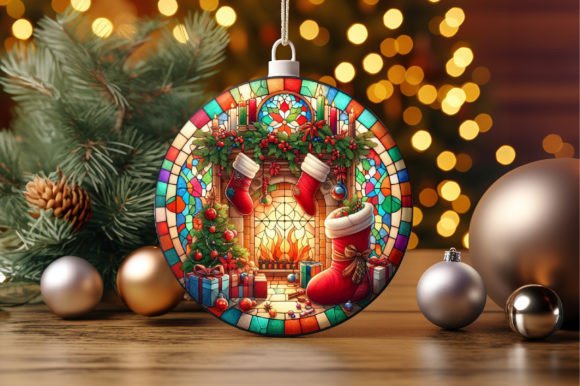
Integrating stained glass into holiday decor transforms a standard architectural feature into a luminous focal point. A Stained Glass Christmas Fireplace Design typically involves installing decorative glass panels within or above the fireplace surround, on the hearth screen, or as illuminated inserts within the mantel structure. Unlike traditional opaque decorations, these designs utilize light transmission to create color and atmosphere. For homeowners evaluating this option, understanding the intersection of artisanal craft, seasonal functionality, and long-term maintenance is essential for making an informed decision.
Defining the Design Concept
At its core, a Stained Glass Christmas Fireplace Design merges permanent or semi-permanent architectural glasswork with seasonal iconography. This can manifest in several ways. Some designs feature dedicated holiday motifs such as nativity scenes, winter landscapes, or abstract geometric patterns in red, green, and gold. Others utilize versatile art glass that captures the warmth of firelight without specific religious or seasonal imagery, allowing the piece to remain relevant year-round while feeling festive during December.
The technical execution varies significantly. True leaded stained glass uses copper foil or lead came to join individual pieces of colored glass. Alternatively, some modern interpretations use painted glass, fused glass, or high-quality translucent films applied to existing fireplace screens. When researching options, it is vital to distinguish between authentic handcrafted glasswork and mass-produced imitations, as this distinction dictates longevity, aesthetic quality, and price point.
Primary Motivations for Selection
Homeowners generally pursue this design element for three specific reasons: ambient lighting control, heirloom value, and architectural integration.
- Ambient Lighting Control: Fireplaces are often dark voids when not in use. Stained glass introduces color even without a flame, especially if backlit by LED strips or natural window light. When a fire is lit, the glass acts as a filter, softening harsh flames and casting colored shadows across the room.
- Heirloom Value: Unlike plastic garlands or printed stockings, quality stained glass is durable and timeless. Many buyers view this as an investment piece that appreciates or retains value, serving as a multi-generational tradition rather than disposable decor.
- Architectural Integration: For homes with Craftsman, Victorian, or Art Nouveau influences, standard Christmas decorations can sometimes clash with the interior architecture. Stained glass aligns with these historical styles, ensuring holiday decor feels native to the home’s original design language.
Benefits and Practical Advantages
Beyond aesthetics, there are functional benefits to consider. A stained glass fireplace screen serves as a safety barrier against sparks and embers while maintaining visibility of the fire. This dual function maximizes utility during the winter months. Additionally, glass is non-combustible and easy to clean compared to fabric stockings or wooden mantel displays that collect soot and dust. From a sustainability perspective, glass eliminates the waste associated with single-use seasonal plastics.
For those concerned about energy efficiency, certain stained glass inserts can help reduce drafts when the fireplace is not in use, provided they are fitted correctly within the firebox opening. This adds a layer of thermal regulation to the decorative appeal.
Tradeoffs and Critical Considerations
Despite the beauty, Stained Glass Christmas Fireplace Design presents distinct challenges that must be weighed against the benefits.
Thermal Stress and Safety
Glass expands when heated. If a panel is placed too close to an active wood-burning fire, rapid temperature changes can cause cracking or shattering. It is imperative to verify that the glass used is rated for high heat or positioned at a safe distance from the combustion zone. Tempered glass or specialized borosilicate options may be required for direct-fire applications, whereas traditional leaded glass is better suited for upper mantel displays or electric fireplace conversions.
Maintenance Requirements
Soot and ash are inevitable byproducts of wood fires. Over time, residue builds up on glass surfaces, dulling the vibrancy of the colors. Cleaning stained glass requires gentle, non-abrasive methods to avoid damaging the patina on lead lines or scratching softer antique glass. Homeowners unwilling to perform regular, careful cleaning may find the maintenance burdensome compared to simpler decor alternatives.
Cost and Lead Time
Custom stained glass is labor-intensive. Prices vary widely based on size, complexity, and artist reputation. Furthermore, bespoke pieces often require weeks or months of fabrication. This makes last-minute holiday planning difficult. Budget-conscious buyers should expect to pay a premium for authentic craftsmanship, though pre-made vintage panels can sometimes offer a more accessible entry point.
Ideal Scenarios for Implementation
This design approach is particularly strong in specific contexts. It is an excellent fit for historic renovations where preserving period accuracy is paramount. It also suits open-concept living spaces where the fireplace serves as the central visual anchor; the translucency of glass prevents the heavy visual weight that solid masonry or dense decorations might impose.
Additionally, Stained Glass Christmas Fireplace Design works exceptionally well with electric or gas fireplaces. These units generate less radiant heat than wood burners, reducing the risk of thermal shock to the glass. The consistent, adjustable backlighting of electric units also allows for precise control over how the colors appear, ensuring the design looks vibrant regardless of whether the heating element is active.
When to Consider Alternatives
There are situations where stained glass may not be the optimal choice. In rental properties or temporary housing, the permanence and installation requirements make it impractical. For households with very young children or active pets, the fragility of leaded glass poses a breakage risk that outweighs the aesthetic benefit.
If the primary goal is maximum brightness or modern minimalism, stained glass may feel too busy or dark. Clear tempered glass screens or sleek metal mesh offer safety without visual obstruction. Similarly, if the budget is strictly limited, high-quality textile art or ceramic tile surrounds can provide seasonal warmth at a fraction of the cost and weight of glass installation.
Decision-Making Framework
To determine if this design aligns with your needs, evaluate the following factors systematically:
- Heat Source Assessment: Confirm the BTU output and surface temperatures of your fireplace. Consult a glazier regarding safe clearance distances before purchasing.
- Lighting Audit: Observe how natural and artificial light interacts with your fireplace throughout the day. Stained glass requires light to function; a perpetually shadowed alcove will render the glass opaque and lifeless.
- Style Longevity: Decide if you want exclusively Christmas-themed art or transitional designs. Versatile patterns offer better return on investment if you dislike swapping out decor seasonally.
- Installation Logistics: Determine if the unit will be freestanding, hung, or permanently mortared. Permanent installations add property value but reduce flexibility; removable screens offer adaptability but less security.
Ultimately, selecting a Stained Glass Christmas Fireplace Design is a balance between artistic appreciation and practical engineering. By prioritizing safety ratings, understanding maintenance commitments, and aligning the aesthetic with your home’s existing architecture, you can ensure the addition enhances both the holiday experience and the long-term value of your living space. Thorough evaluation upfront prevents costly replacements and ensures the glowing centerpiece performs safely for decades.