Farm Animal Mandala Zentangle Coloring Guide
The intersection of rural nostalgia and structured artistic practice creates a unique niche in the creative wellness space. Farm animal mandala zentangle coloring is more than just filling in shapes; it is a specific fusion of organic subject matter and geometric precision. This art form combines the recognizable, comforting silhouettes of barnyard creatures with the repetitive, meditative patterns of the Zentangle method. For adults seeking a creative outlet that balances structure with imagination, this genre offers a distinct alternative to abstract designs or traditional realistic coloring.
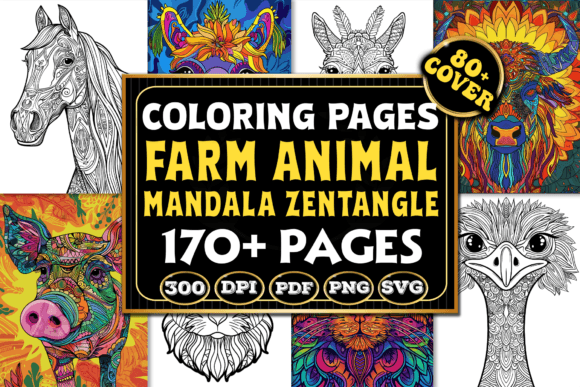
Unlike standard mandalas that rely solely on radial symmetry, farm animal variations often use the animal’s form as the primary container for the pattern work. A cow’s profile might be filled with intricate stippling and hatching, while a rooster’s tail feathers transform into flowing, rhythmic lines. Understanding how to approach these pages depends heavily on who you are and what you hope to achieve, whether that is stress relief, skill development, educational engagement, or commercial content creation.
Defining the Art Form and Its Unique Appeal
To fully appreciate farm animal mandala zentangle coloring, one must understand its hybrid nature. Traditional Zentangle is typically non-representational and unplanned, focusing on the process rather than the outcome. Mandalas are circular and symbolic. When applied to farm animals, the practice becomes illustrative yet meditative. The "farm" aspect grounds the artwork in tangible reality, evoking sensory memories of nature, while the "mandala/zentangle" aspect provides the cognitive framework necessary for mindfulness.
This combination matters because pure abstraction can sometimes feel unanchored for beginners, while strict realism can feel intimidating or performance-based. Farm animal themes bridge this gap. They offer enough familiarity to be engaging but enough stylization to allow for artistic freedom without the pressure of anatomical perfection. The repetitive patterning within a defined animal shape induces a flow state, lowering cortisol levels and providing a tactile break from digital screens.
Perspectives for Hobbyists and Wellness Seekers
For individuals aged 20 to 50 using coloring as a self-care tool, the priority is often emotional regulation and accessibility. You are likely not looking for technical perfection but rather a reliable method to quiet mental chatter after a demanding workday.
- Ease of Entry: Look for books or printable packs labeled "beginner-friendly" or "bold lines." Complex micro-patterns can sometimes induce anxiety rather than relieve it if your fine motor skills are rusty.
- Media Flexibility: Consider what tools you already own. Some farm animal zentangles are designed specifically for gel pens and markers, featuring enclosed spaces that prevent bleeding. Others may have textured backgrounds better suited for colored pencils or watercolors.
- Time Commitment: Evaluate page complexity based on your available time. A highly detailed sheep mandala might take six hours, which is rewarding for a weekend project but frustrating for a 30-minute lunch break reset.
The value here lies in the reliability of the experience. A high-quality resource in this niche will provide consistent line weight and paper quality (if physical), ensuring that your relaxation ritual isn't disrupted by poor production values.
Educators and Therapeutic Practitioners
Teachers, art therapists, and special education professionals view farm animal mandala zentangle coloring through a lens of utility and developmental appropriateness. The farm theme is universally recognizable across cultures and age groups, making it an inclusive visual language.
In a classroom or therapy setting, these designs serve multiple functions simultaneously. They act as fidget tools for neurodivergent students who need tactile stimulation to maintain focus during lessons. For art therapy clients processing trauma or grief, the containment of the animal outline provides a safe boundary for expression, while the repetitive patterning offers a soothing, predictable rhythm. Educators should prioritize resources that offer varying levels of complexity within the same pack, allowing differentiation so every student can participate at their own skill level without feeling singled out.
Learning Value and Skill Progression
Beyond relaxation, this art form teaches tangible skills. Pattern recognition, hand-eye coordination, and spatial planning are all exercised when navigating the curves of a pig or horse silhouette. For educators, selecting materials that include pattern guides or step-by-step breakdowns adds instructional value, transforming a simple coloring activity into a lesson on design principles and patience.
Creators, Marketers, and Small Business Owners
For entrepreneurs, bloggers, and digital product creators, farm animal mandala zentangle coloring represents a content asset and market opportunity. Your evaluation criteria shift entirely toward commercial viability, licensing, and audience alignment.
If you are creating content for a blog or social media channel focused on cottagecore, homesteading, or mindful living, these visuals are highly shareable. However, quality and originality are paramount. The market is saturated with low-effort AI-generated designs that often contain anatomical errors or broken pattern logic. Discerning audiences notice these flaws immediately. Investing in professionally illustrated or meticulously curated resources builds trust and authority.
For those selling physical or digital products, consider the following:
- Licensing Clarity: Ensure you have full commercial rights if you plan to incorporate these designs into merchandise, planners, or paid workshops. Personal-use-only licenses are common and strictly enforced.
- Niche Specificity: Generic "farm animal" tags are competitive. Success often comes from specificity. "Vintage hen zentangle," "highland cow mandala," or "botanical barn cat" target long-tail search intent more effectively than broad terms.
- Format Versatility: Digital buyers expect clean, high-resolution vector files or crisp PNGs with transparent backgrounds. Physical product buyers care about paper GSM and binding lay-flat capabilities. Meeting these technical expectations determines repeat business.
Evaluating Quality Across Different Needs
Regardless of your role, distinguishing between mediocre and excellent farm animal mandala zentangle coloring resources requires attention to detail. Not all designs are created equal, and "free" often carries hidden costs in usability.
Line Integrity: In zentangle-style art, line confidence is everything. Shaky, pixelated, or inconsistently weighted lines disrupt the meditative flow and look unprofessional when colored. High-quality designs feature smooth, intentional vectors or scanned ink work that maintains clarity at any size.
Anatomical Respect: While stylized, the animal should still read clearly. A goat should look like a goat, not a generic four-legged blob. Designs that honor the characteristic features of farm animals—the curl of a pig’s tail, the comb of a chicken, the wool texture of a sheep—resonate more deeply because they feel observed rather than generated.
Pattern Logic: Authentic zentangle-inspired work shows an understanding of tangle structures. Patterns should flow naturally with the contour of the animal, not simply be stamped over it arbitrarily. The best designs integrate the pattern and the form so that removing one would collapse the other.
Finding Your Fit in the Creative Landscape
Determining whether farm animal mandala zentangle coloring aligns with your current goals requires honest self-assessment. If you are a beginner seeking stress relief, start with bold, simple designs and affordable materials to lower the barrier to entry. Do not invest heavily until you confirm the practice resonates with your nervous system.
If you are an experienced artist feeling burnt out on realism, this genre offers permission to play within boundaries. Look for advanced collections that challenge your pattern vocabulary and introduce complex negative space relationships. The goal here is creative cross-training, not mastery.
For professionals and creators, treat this niche as you would any business decision. Validate demand before investing. Test different animal types and style variations with your audience. Prioritize ethical sourcing and proper licensing to protect your reputation. Whether used as a personal sanctuary, a teaching tool, or a commercial asset, farm animal mandala zentangle coloring succeeds when the resource matches the intention behind its use.