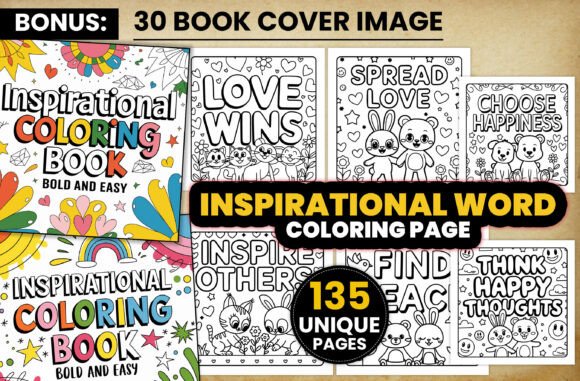
Inspirational Word Coloring Pages: Creative Mindfulness
There is a distinct rhythm to coloring words that goes beyond simple nostalgia. Inspirational word coloring pages combine the tactile satisfaction of art with the cognitive reinforcement of positive language. Unlike abstract patterns or mandalas, these designs anchor your attention to a specific message, phrase, or affirmation. For adults navigating high-stress careers, creative blocks, or educational responsibilities, this intersection of text and image serves as more than just a pastime. It functions as a tangible tool for mental reset, skill practice, and even professional content creation.
The appeal lies in the dual engagement of the brain. You are processing semantic meaning while simultaneously making aesthetic decisions about color harmony and pressure. This unique combination explains why a marketing manager might use these pages differently than a kindergarten teacher or a freelance illustrator. Understanding how this medium aligns with your specific goals is the first step toward integrating it effectively into your routine or business.
Diverse Applications Across Audiences
While the core activity remains the same, the intent behind using inspirational word coloring pages shifts dramatically depending on who is holding the pencil. Recognizing these distinctions helps you select the right resources and set appropriate expectations for the outcome.
For Professionals and Entrepreneurs
High-performers often struggle to disconnect from analytical thinking. For entrepreneurs, marketers, and freelancers, these pages offer a structured form of active meditation. The goal here is rarely artistic perfection; rather, it is cognitive restoration. Coloring a phrase like "Progress Over Perfection" allows a business owner to internalize a mindset shift without the pressure of journaling or traditional therapy. It provides a low-stakes environment to process burnout. Many professionals keep a printed page at their desk specifically for transition periods between deep work sessions, using the five-to-ten-minute activity as a palate cleanser for the mind.
Educators and Facilitators
Teachers, corporate trainers, and workshop leaders view inspirational word coloring pages through a pedagogical lens. Here, priority shifts to accessibility and thematic relevance. An educator needs designs where the typography is legible and the sentiment aligns with curriculum goals or social-emotional learning standards. These pages often serve as icebreakers, discussion prompts, or calming tools in special education settings. The evaluation criteria include print quality on standard office paper, inclusivity of messaging, and the ability to spark conversation rather than just silence. For this group, the coloring page is a vehicle for connection and learning retention.
Creators and Content Strategists
Bloggers, publishers, and digital artists approach this topic with a focus on utility and licensing. If you create content around wellness, parenting, or education, inspirational word coloring pages represent valuable assets. Your priorities are resolution, file format flexibility (SVG vs. PNG), and commercial usage rights. You aren't just looking for something to color; you are evaluating whether a design can be featured in a newsletter, used as a lead magnet, or included in a paid digital product bundle. Quality here is measured by scalability and uniqueness. Generic quotes won't engage an audience tired of seeing the same stock vectors, so creators often seek out independent artists or customizable templates that allow for brand alignment.
Evaluating Quality and Practicality
Not all coloring pages are created equal. Whether you are buying a book, downloading a free printable, or designing your own, several factors determine long-term usefulness. Skipping this evaluation often leads to frustration with blurry lines, paper bleed-through, or messages that feel inauthentic.
- Typography and Legibility: Effective word coloring requires letterforms that are wide enough to hold color but detailed enough to remain interesting. Overly ornate scripts can become frustrating if the interior space is too narrow for standard colored pencils or markers.
- Paper Compatibility: Digital files should be optimized for home printers. Designs with heavy black backgrounds consume excessive ink and may warp standard copy paper. Look for balanced compositions that respect both your budget and your hardware.
- Sentiment Authenticity: The most impactful pages avoid toxic positivity. Phrases should resonate with adult experiences rather than feeling juvenile. Evaluate whether the text supports genuine reflection or merely offers platitudes.
- Format Flexibility: Vector-based files allow you to resize designs without pixelation. This is crucial for educators creating large posters or creators adapting content for different platforms.
Balancing Cost and Value
Your budget should reflect your intended use. Hobbyists and individuals seeking personal stress relief can often find high-quality, free resources from artist communities or library databases. In this context, value equals immediate access and emotional resonance. However, small business owners and publishers must factor in licensing fees. Paying for premium, commercially licensed packs protects you legally and often grants access to higher-resolution files and exclusive designs. Viewing this expense as an investment in asset security rather than just a purchase changes the ROI calculation significantly.
Aligning the Medium With Your Goals
Determining whether inspirational word coloring pages are right for you requires honest self-assessment regarding your current needs and skill level. There is no wrong way to engage, but mismatched expectations can turn a relaxing activity into a chore.
If you are a beginner feeling intimidated by blank paper, start with pre-drawn word art. The structure removes the fear of composition. Focus on pages with larger spaces and simpler fonts to build confidence with blending and shading techniques. Your primary metric for success should be enjoyment, not technical accuracy.
If you are an experienced artist, look for complex typographic layouts that challenge your rendering skills. Seek out pages that integrate botanical elements, geometric borders, or negative space techniques. You might use these as studies for hand-lettering projects or as warm-up exercises before tackling original illustrations. Here, the value lies in technical refinement and creative exploration.
For business owners and marketers, assess whether this medium fits your brand voice. If your audience values mindfulness, authenticity, and creativity, sharing your own coloring process or offering branded pages can deepen community engagement. However, if your brand is strictly corporate or data-driven, this tactic might feel disjointed. Test the waters by incorporating word coloring into internal team-building exercises before launching external campaigns.
Practical Implementation Tips
- Create a Dedicated Kit: Keep supplies accessible. Friction kills consistency. A dedicated pouch with a few favorite pencils and a printed page ensures you can utilize unexpected pockets of downtime.
- Test Before Committing: Always print a test page to check margins and ink density. Adjust printer settings to "high quality" for line art to prevent gray, pixelated edges that ruin the experience.
- Mix Analog and Digital: Consider using tablet apps for travel or quick sessions, but maintain physical prints for deeper mindfulness work. The tactile feedback of paper offers sensory benefits that screens cannot replicate.
- Curate Your Library: Organize digital downloads by theme (e.g., resilience, gratitude, focus) rather than date. This allows you to quickly locate the specific type of inspiration needed in the moment.
Ultimately, inspirational word coloring pages are a versatile resource that adapts to the user. They bridge the gap between passive consumption and active creation, offering a rare moment of intentional pause in a fast-paced world. Whether you are seeking personal solace, teaching tools, or commercial assets, approaching this medium with clear intent transforms simple line art into a meaningful practice. Take time to explore different styles and sources until you find the visual vocabulary that speaks directly to your current chapter.